How the appraisal process actually works.
When you disagree with your insurance company’s total loss valuation, your policy may provide a way to resolve the dispute through independent appraisers. Here’s what that process involves, from start to finish.
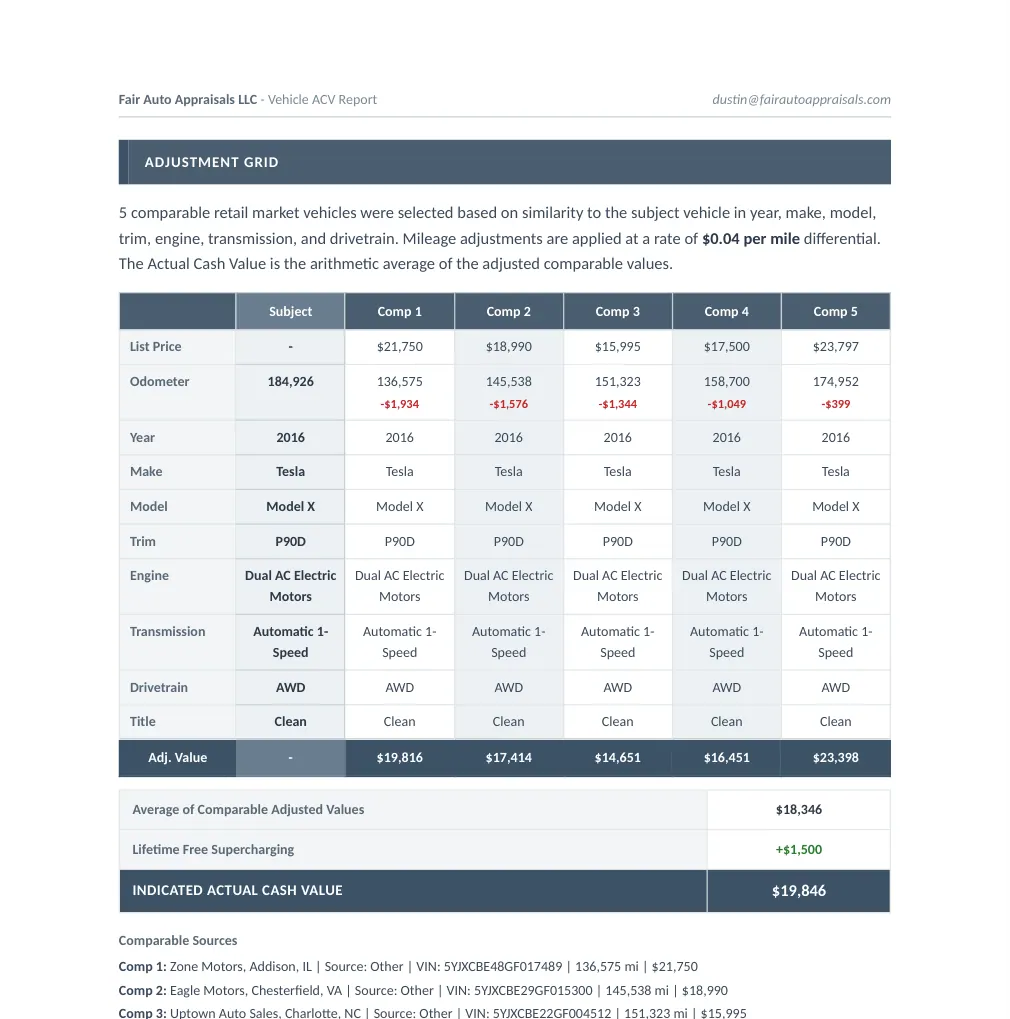
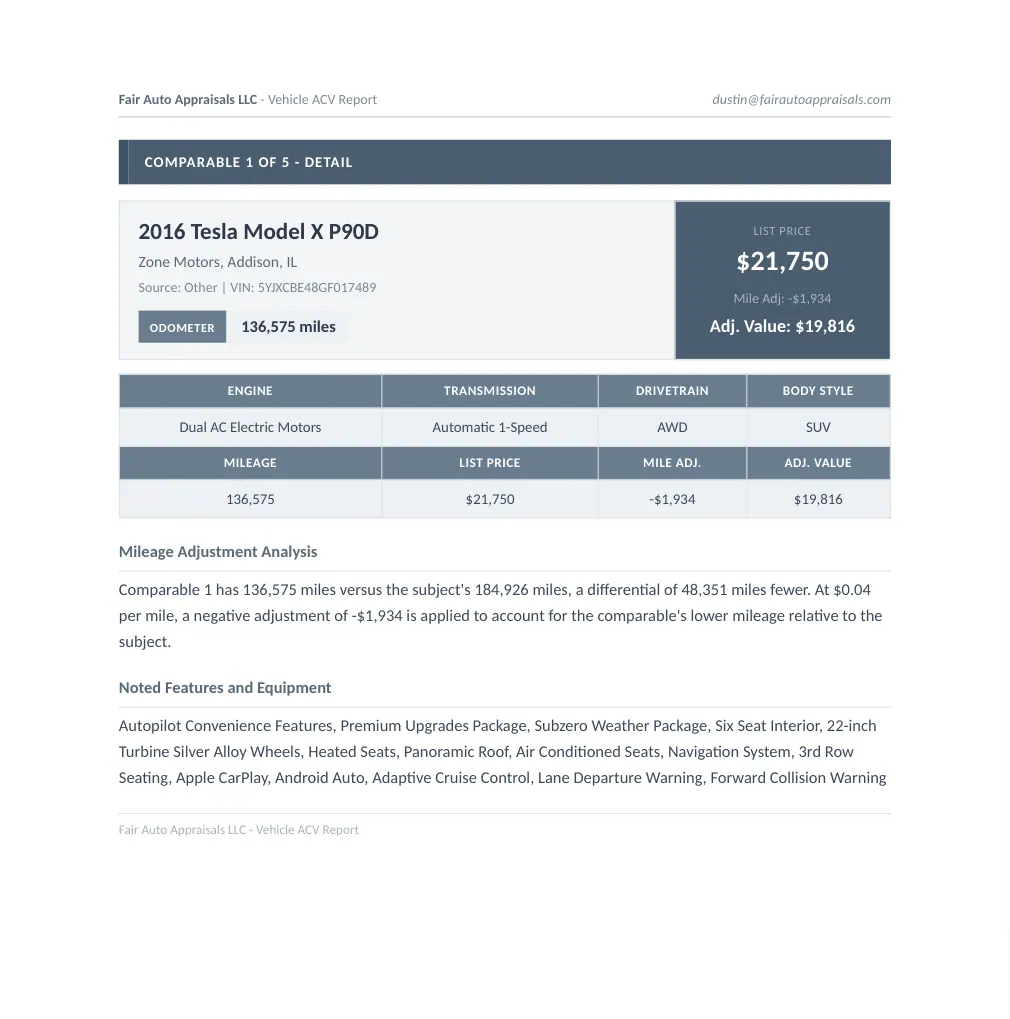
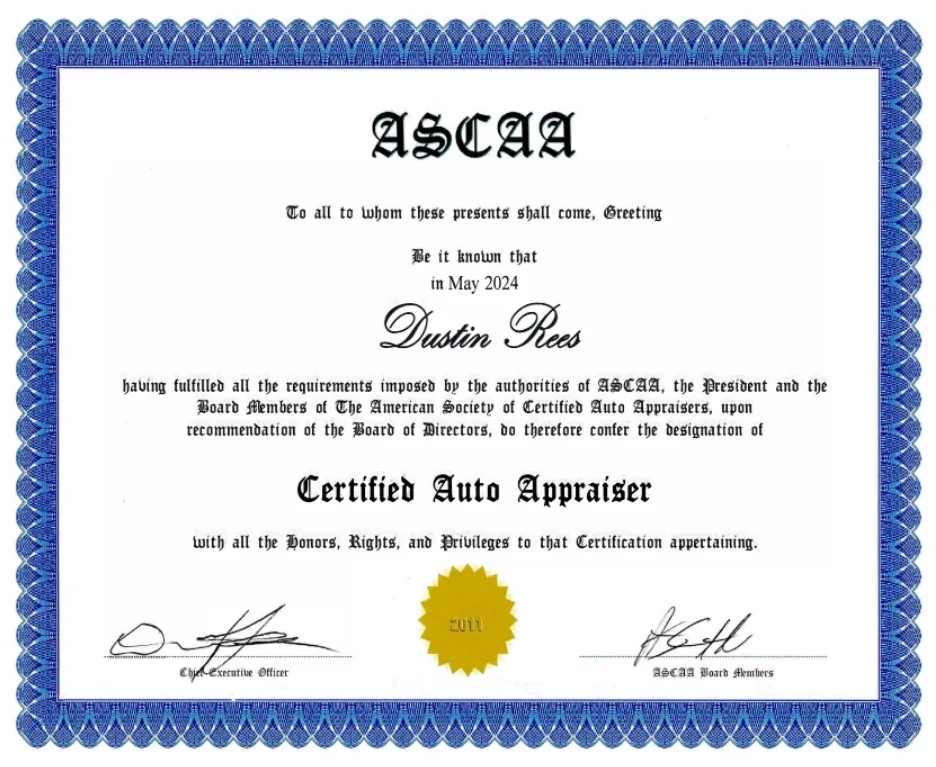
Four steps. No guesswork about what happens next.
You decide whether to move forward after we review your situation. If you do, we handle the appraisal work and communicate with the insurer appointed appraiser.
Send us your valuation for a free second opinion.
Tell us about your totaled vehicle and the insurance claim. Upload the insurer’s valuation report if you have it. If you don’t, submit your request anyway. We’ll tell you how to obtain the report and you can email it later.
Not every valuation is worth disputing. We’ll tell you when we don’t think it makes sense.Review our assessment. Then decide.
We examine the valuation and relevant market evidence, then explain whether we see a realistic basis for an increase. If you want to proceed and your policy allows appraisal, we’ll email a short agreement to review and e-sign. There’s no payment upfront.
We build the appraisal and work with the other appraiser.
We research the vehicle’s pre loss value, prepare an independent appraisal, exchange findings with the insurer appointed appraiser, and work toward a supported agreement. If the appraisers can’t agree, the policy’s umpire procedure may be used.
The appraisal process establishes the final ACV.
Under the policy’s appraisal provision, an agreement signed by the required parties establishes the vehicle’s actual cash value. The insurer then handles applicable taxes, fees, deductibles, and other settlement items separately. We explain the result and next steps in writing.
Most cases take roughly 1–3 weeks, but insurer responsiveness and an umpire can affect timing.We don’t just ask the insurer to reconsider its number.
We develop an independent opinion of what your vehicle was worth immediately before the loss, supported by evidence that can be examined and challenged.
Get the exact vehicle right.
Verify VIN, year, trim, engine, drivetrain, mileage, equipment, condition, and relevant vehicle history. A wrong engine or body style can distort the comparison before it even begins.
Research comparable vehicles.
Review relevant listings and available market data, assess how comparable each vehicle actually is, and account for differences that affect value.
Document the valuation.
Build a written appraisal showing the vehicle, market evidence, reasoning, and supported pre loss actual cash value.
Work through the disagreement.
Exchange appraisals, examine the opposing evidence, negotiate with the other appraiser, and participate in the umpire process if required.
Evidence matters.
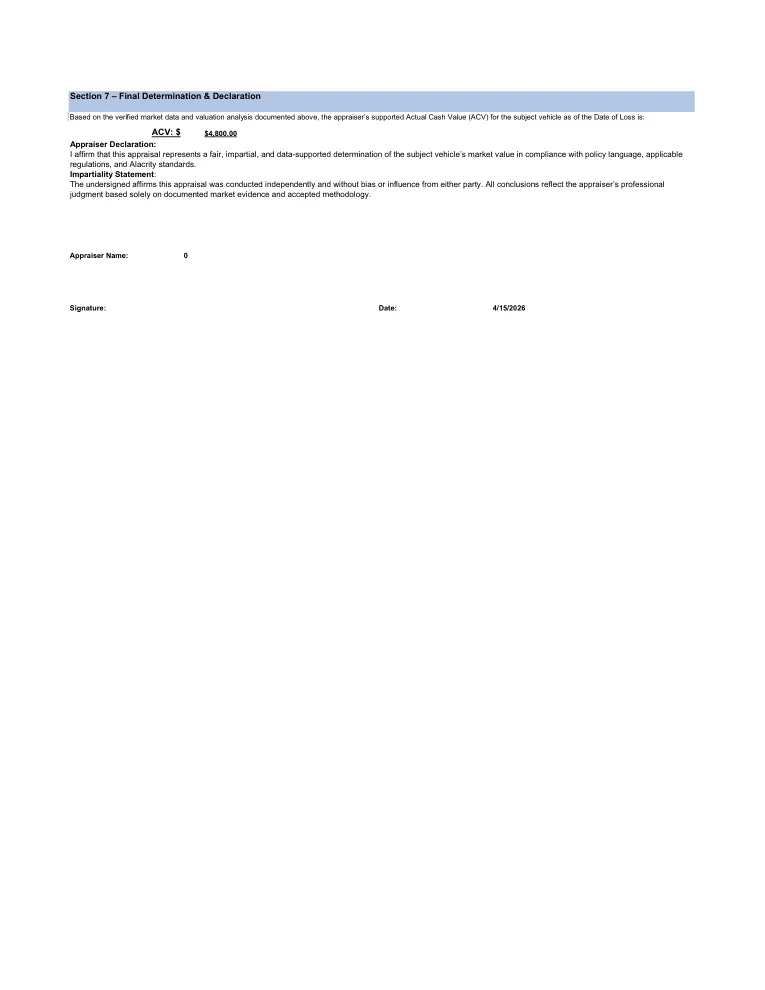
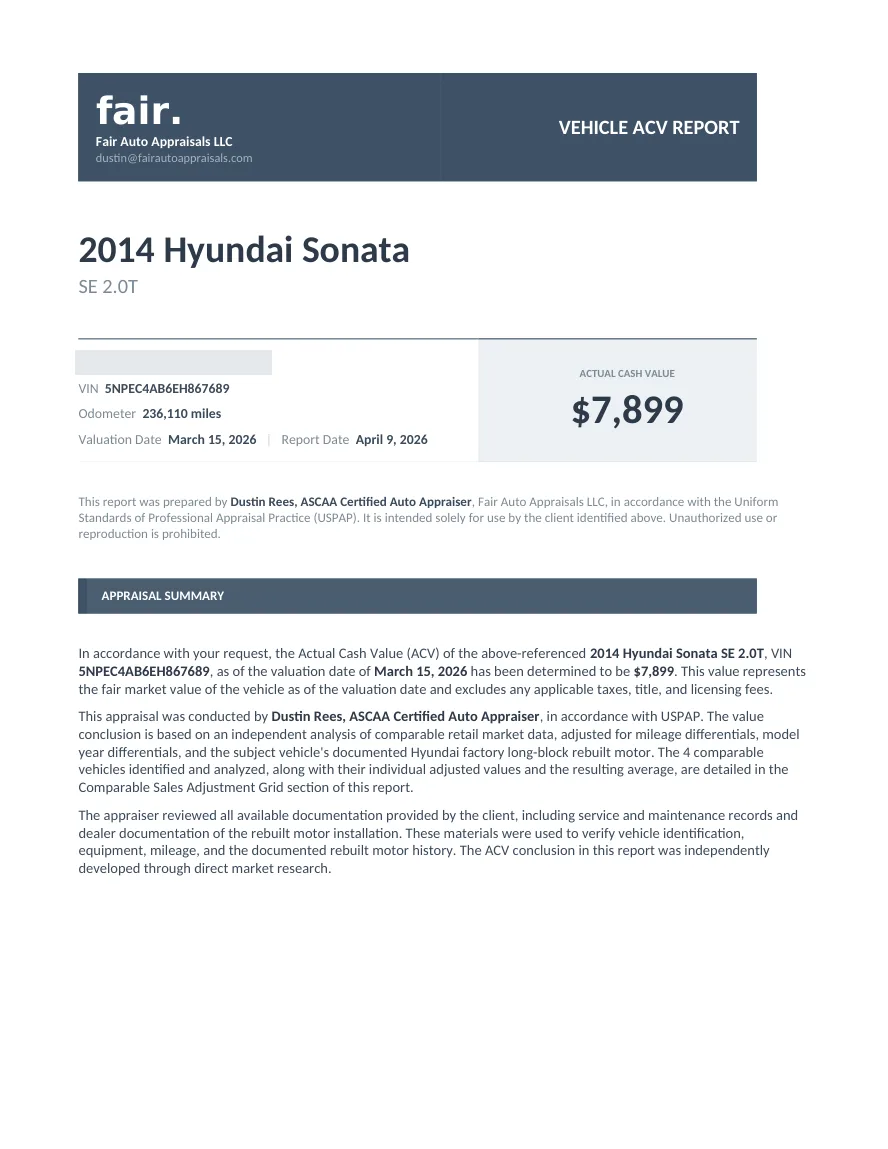
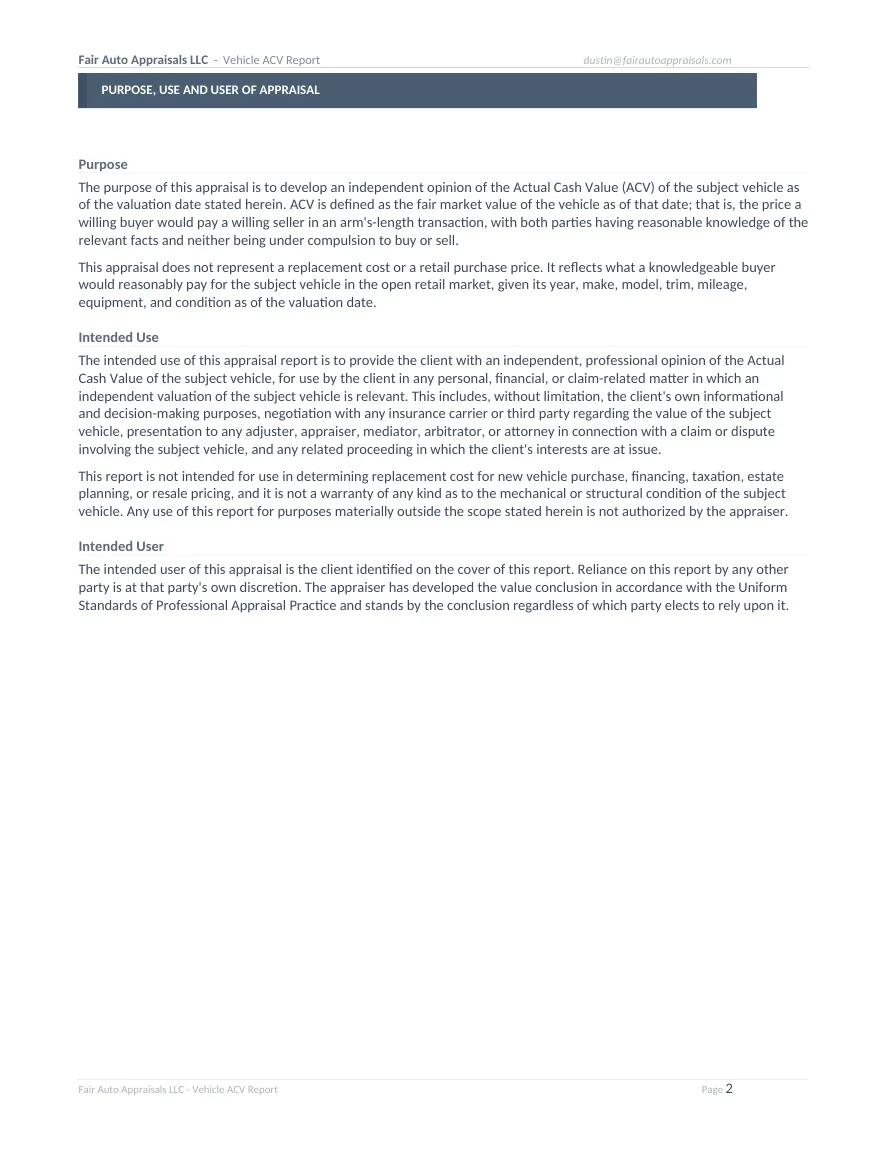
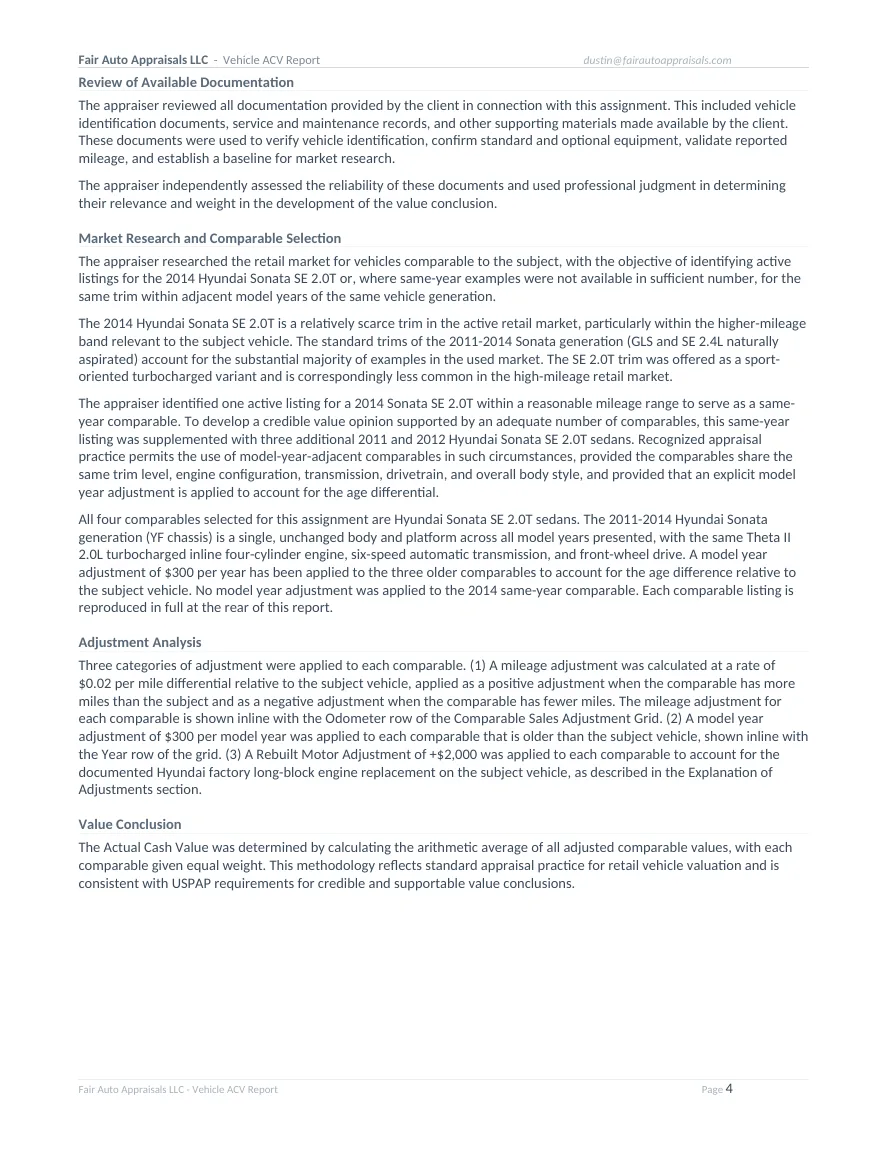
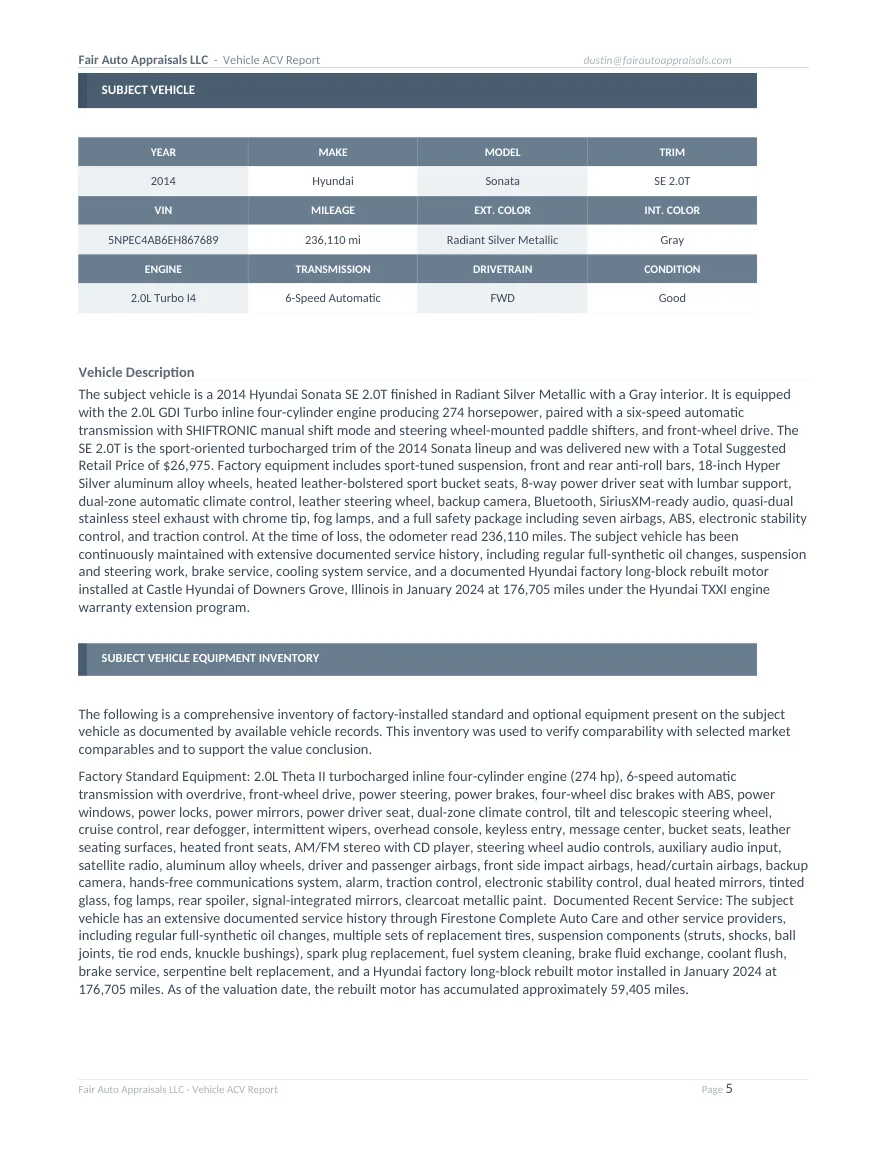
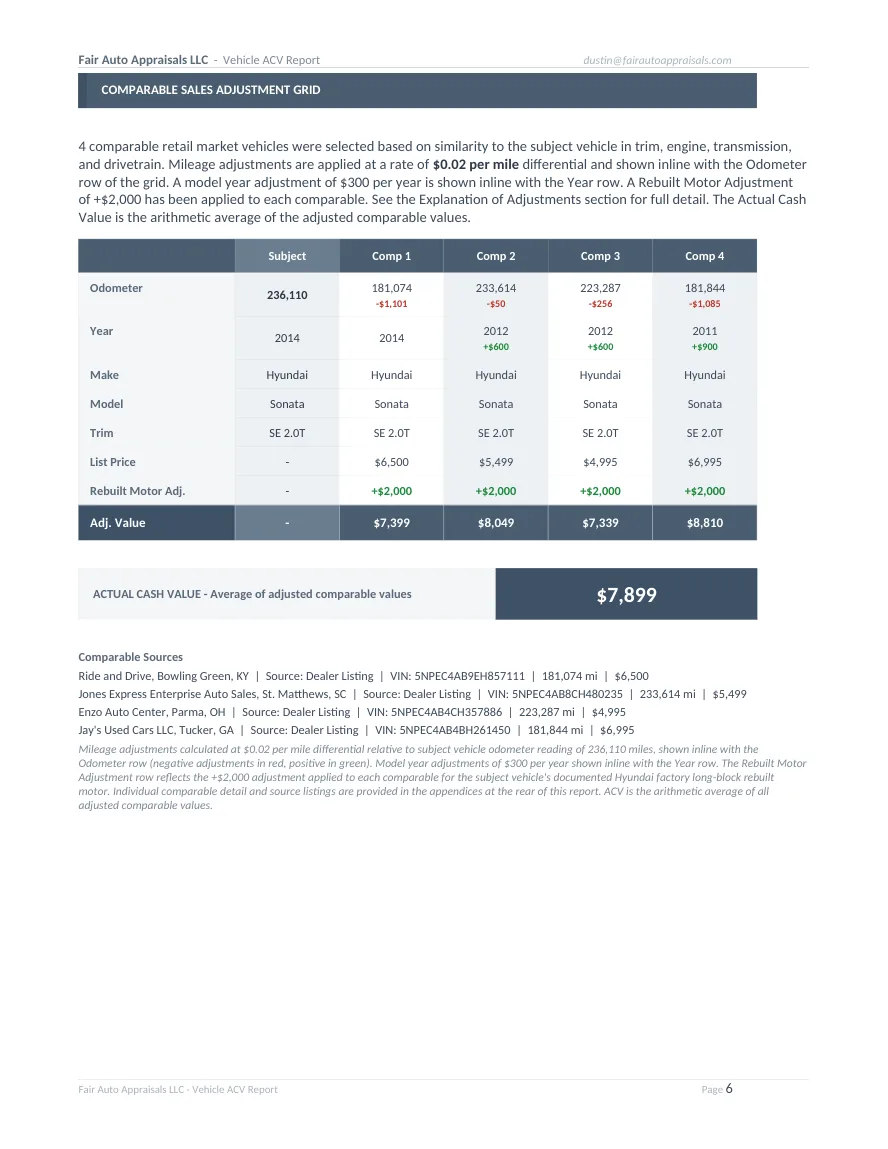
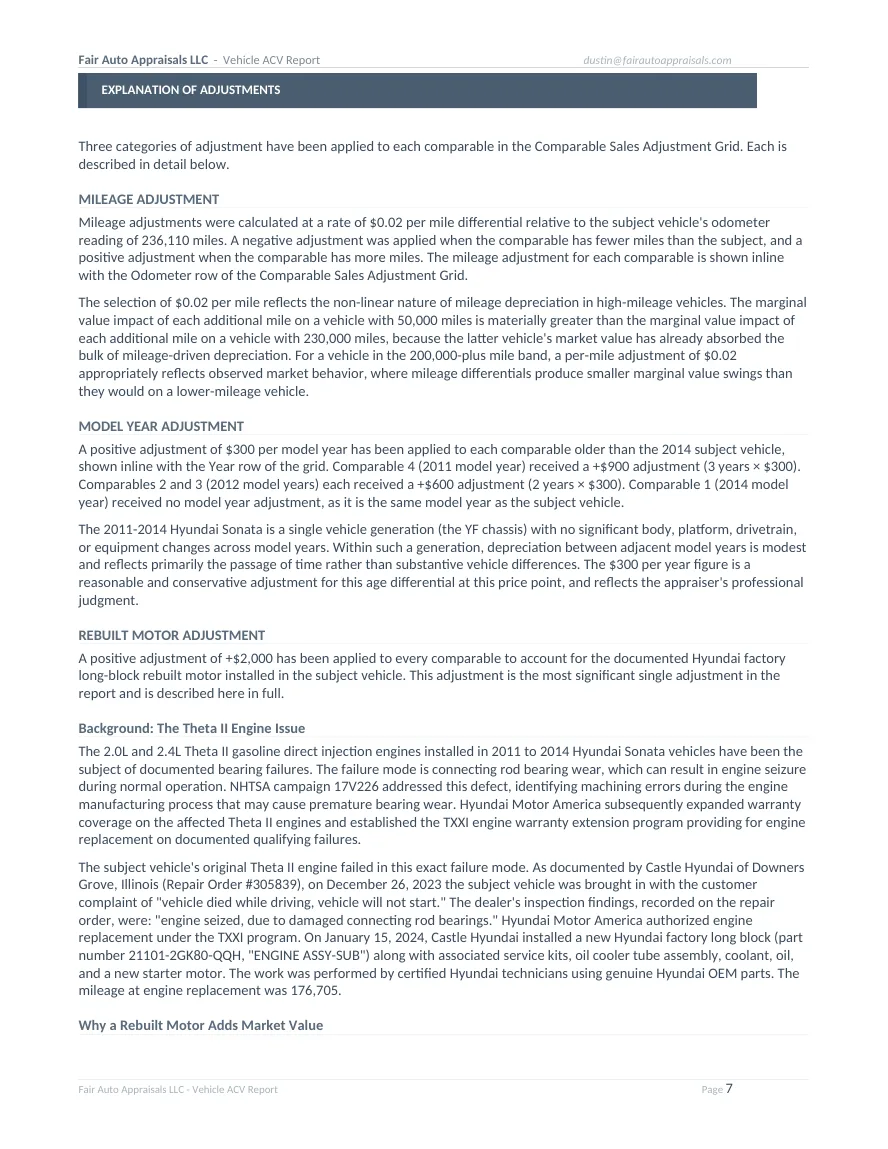
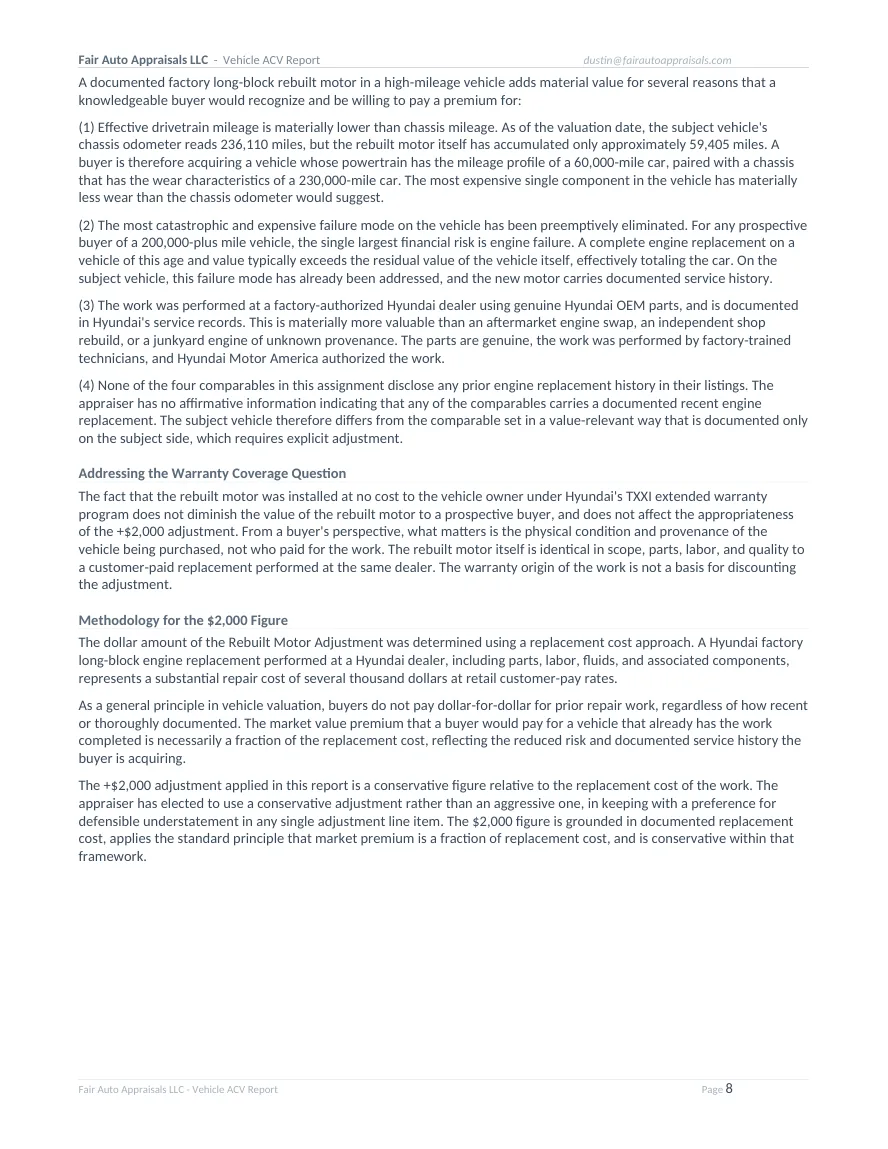
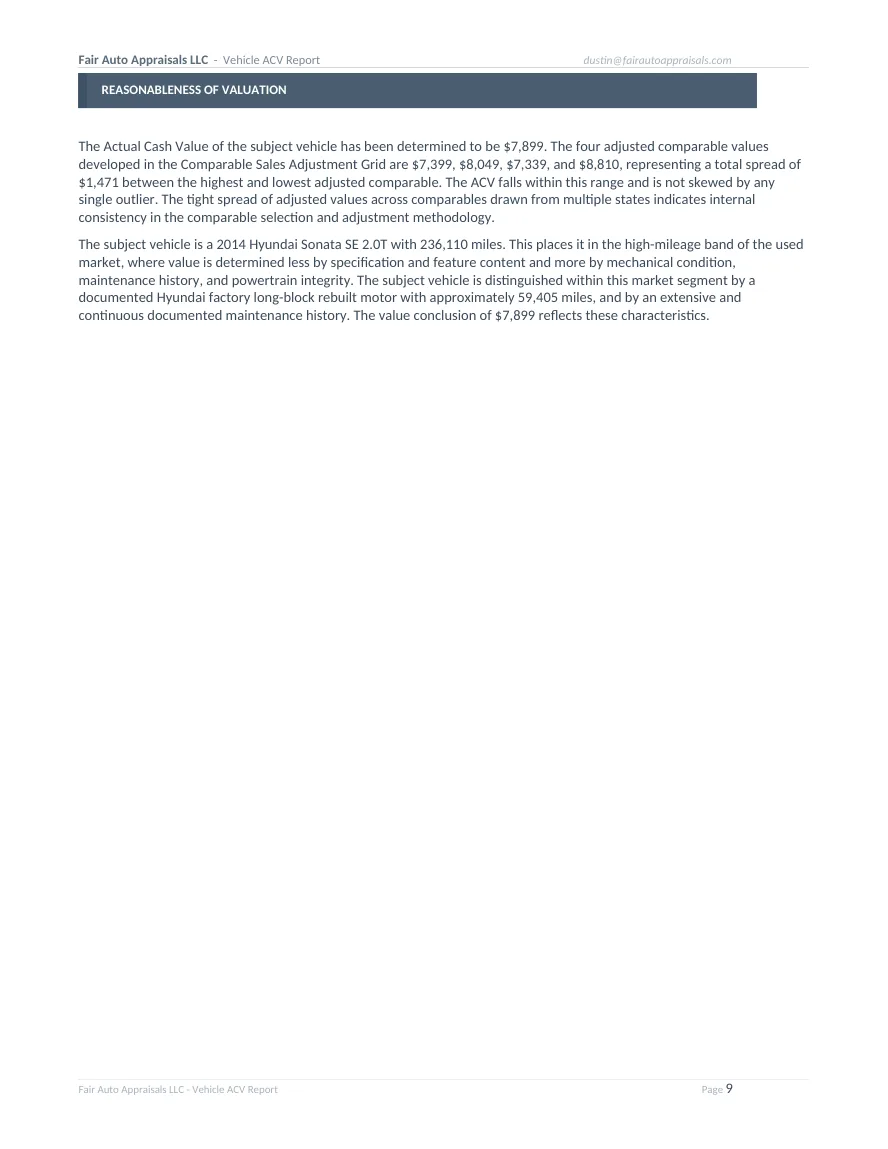
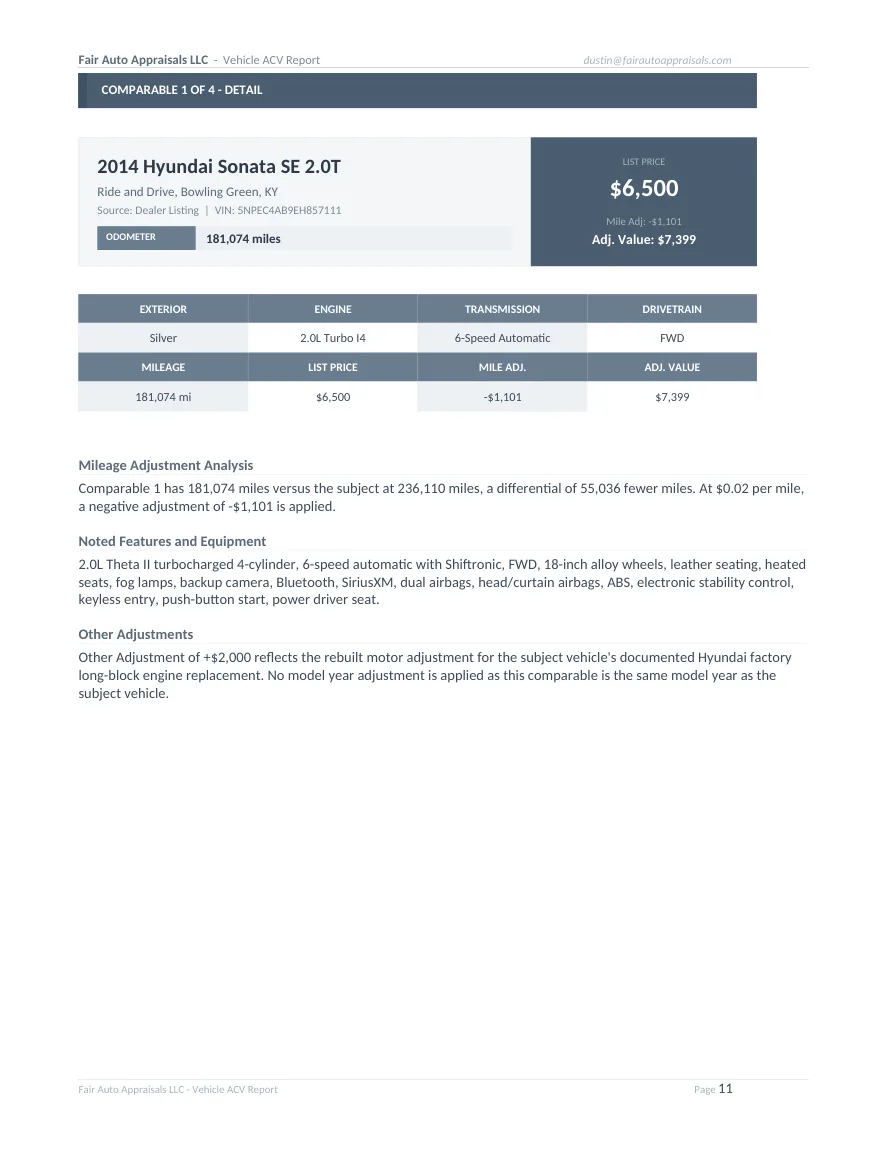
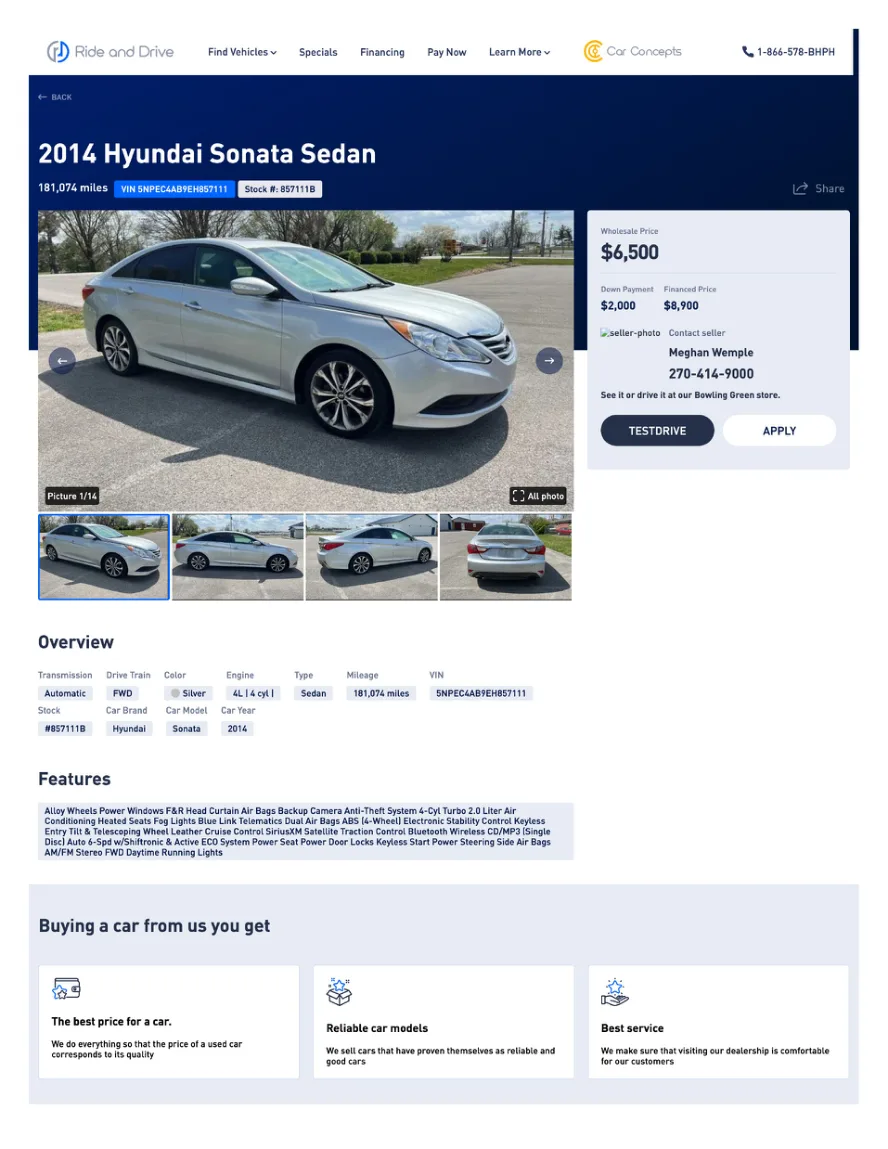
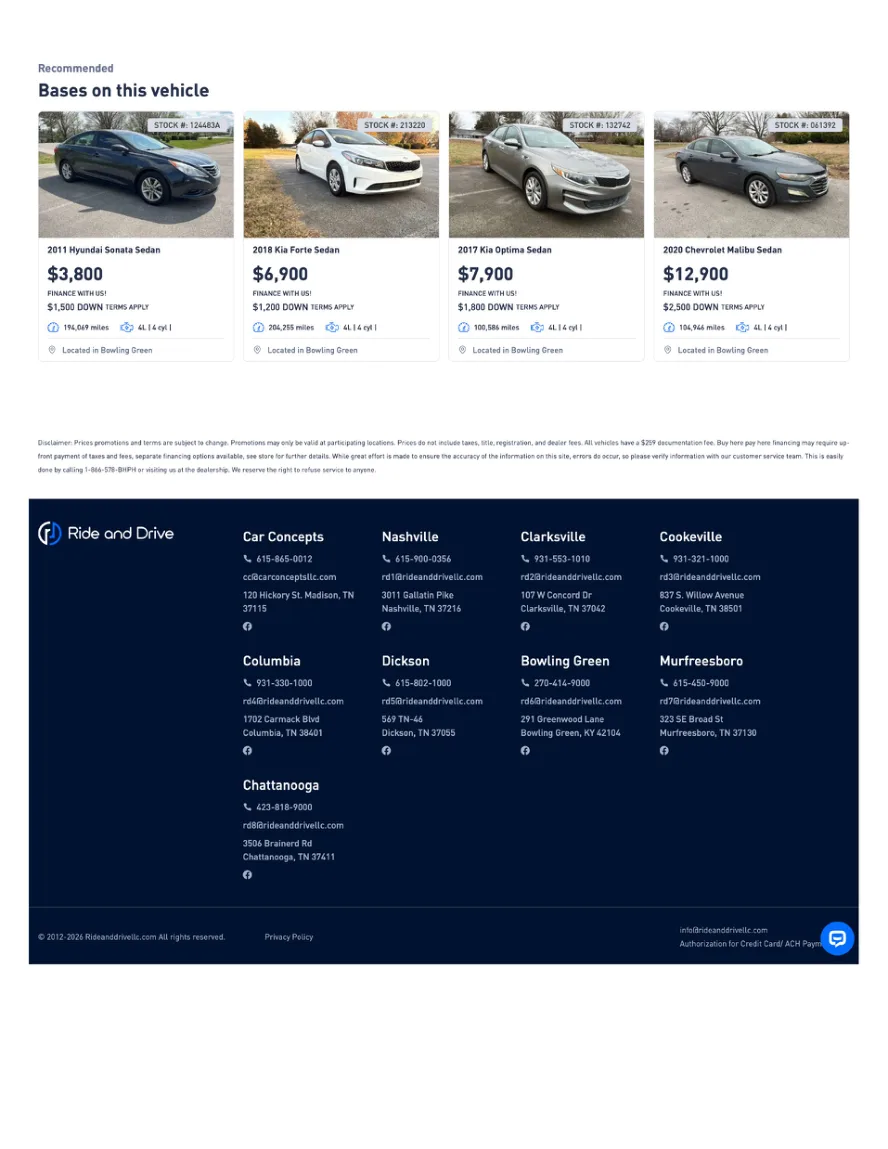
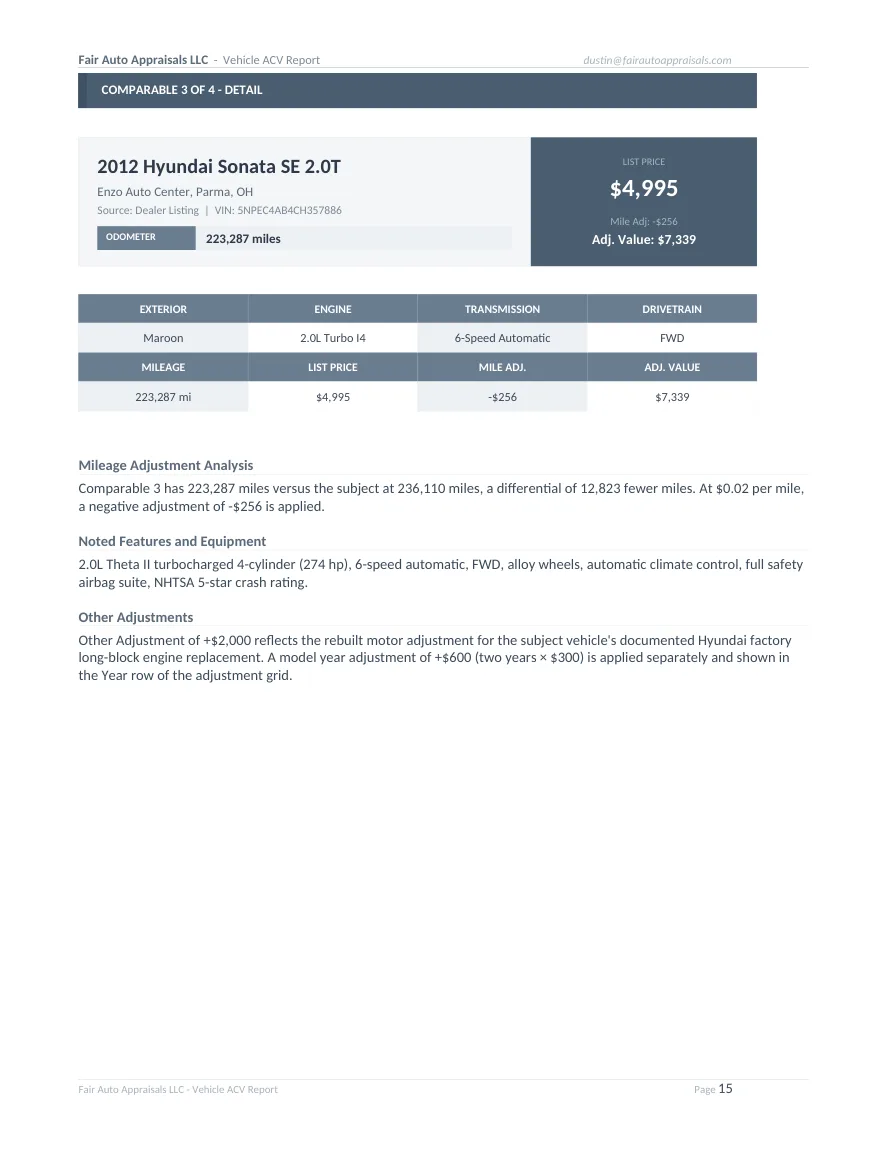
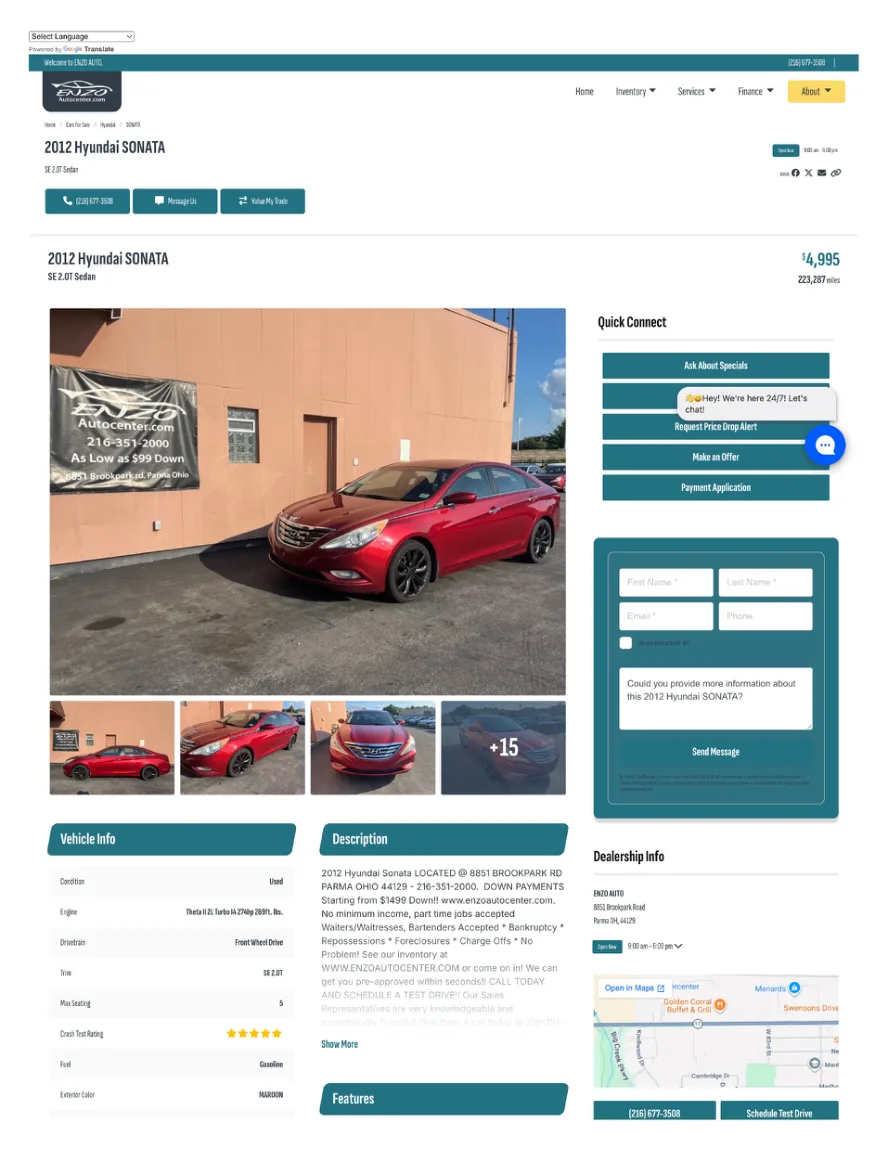
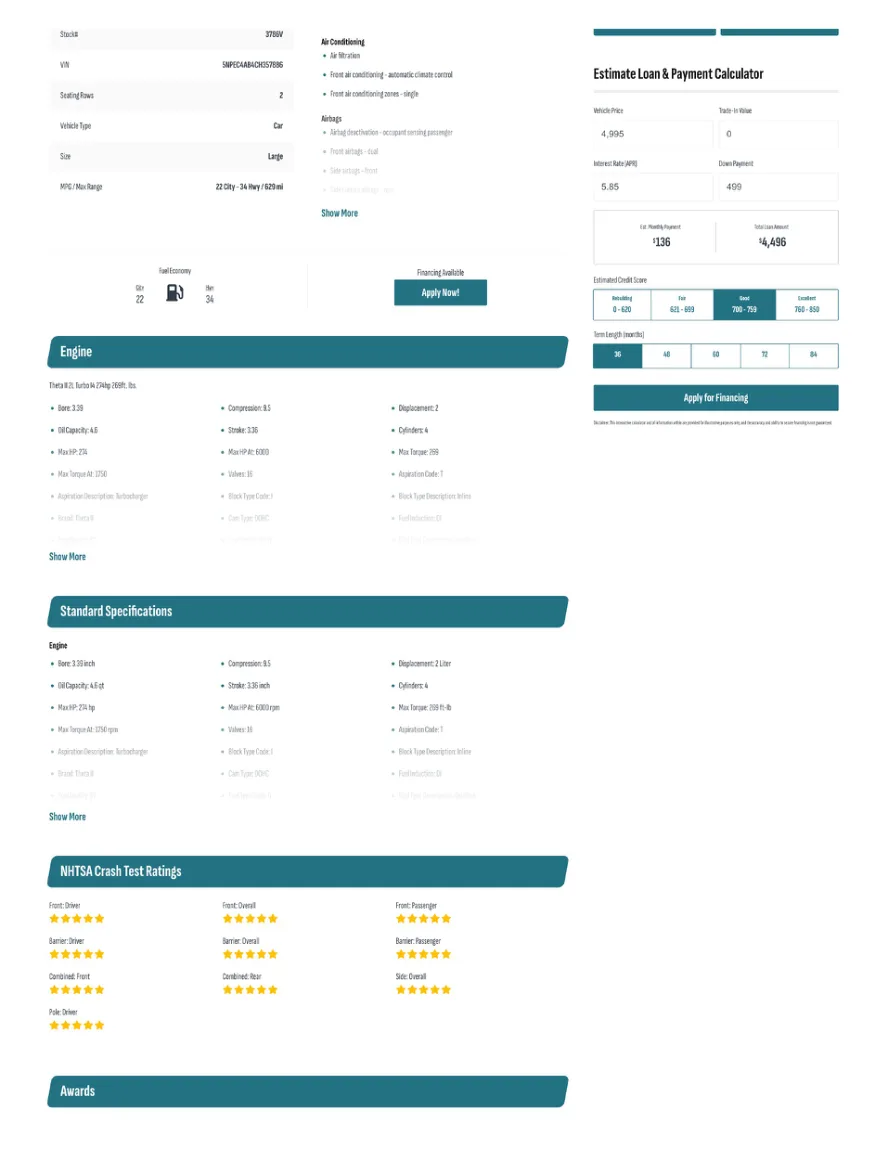
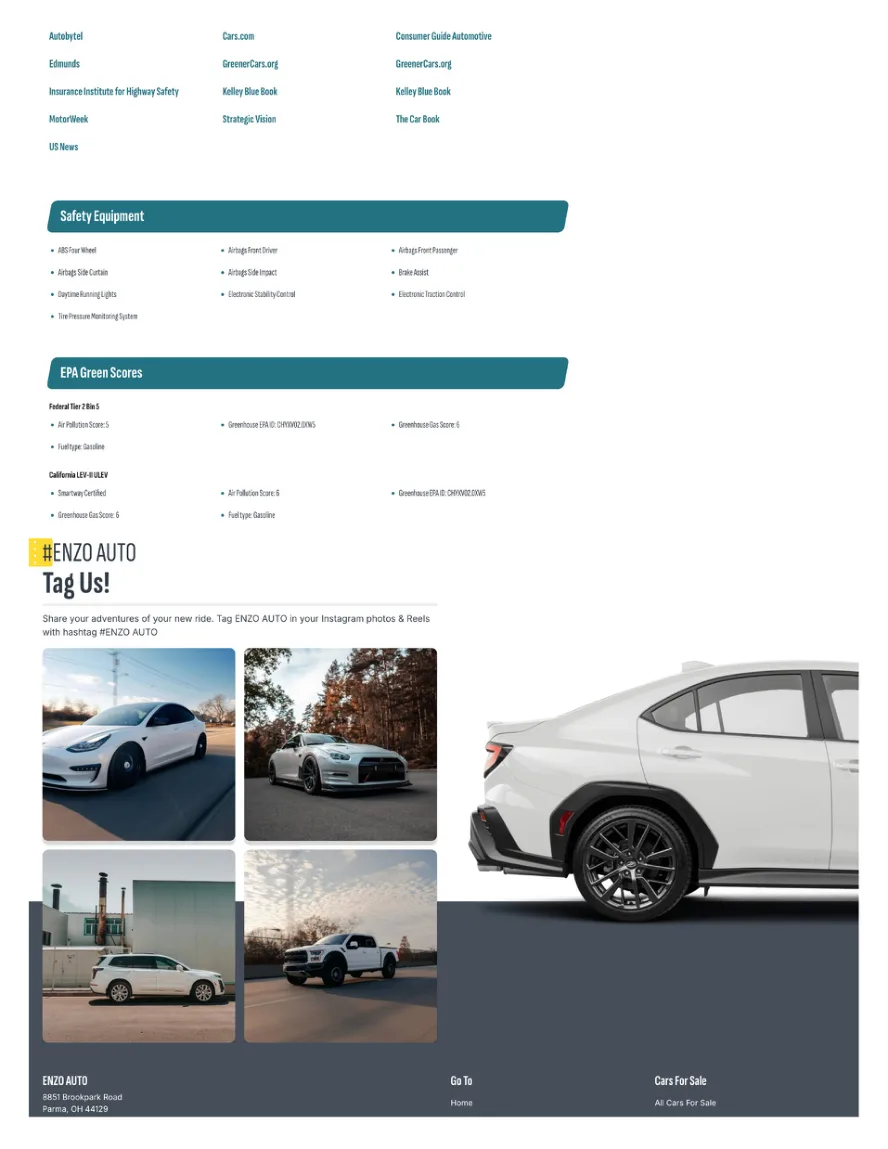
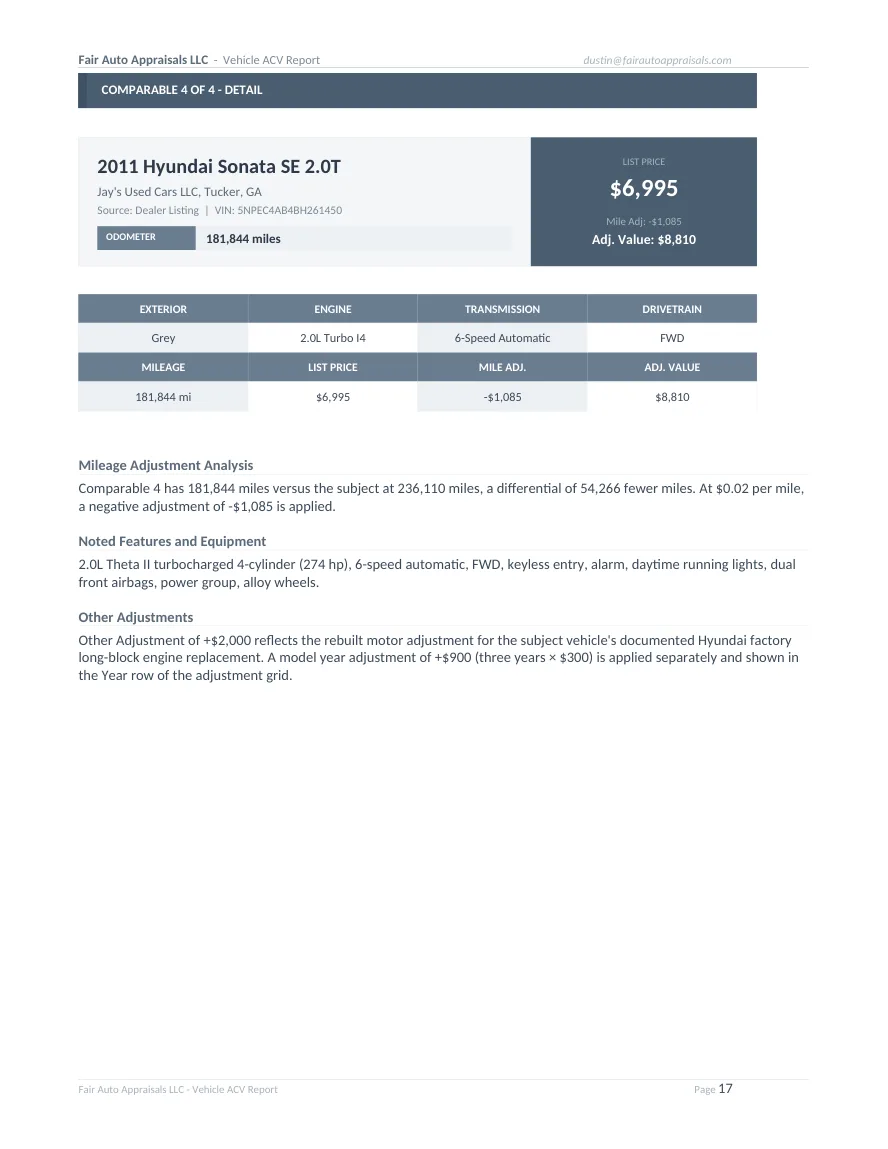
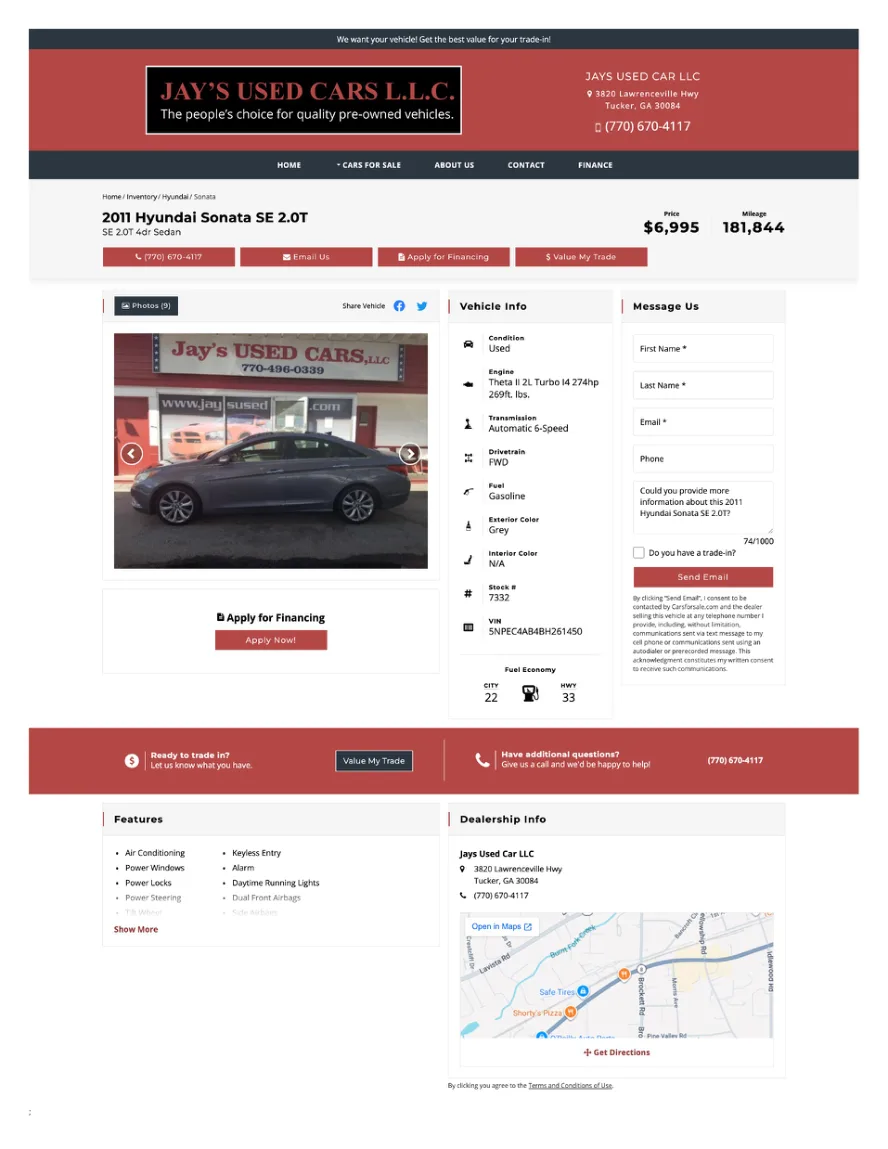
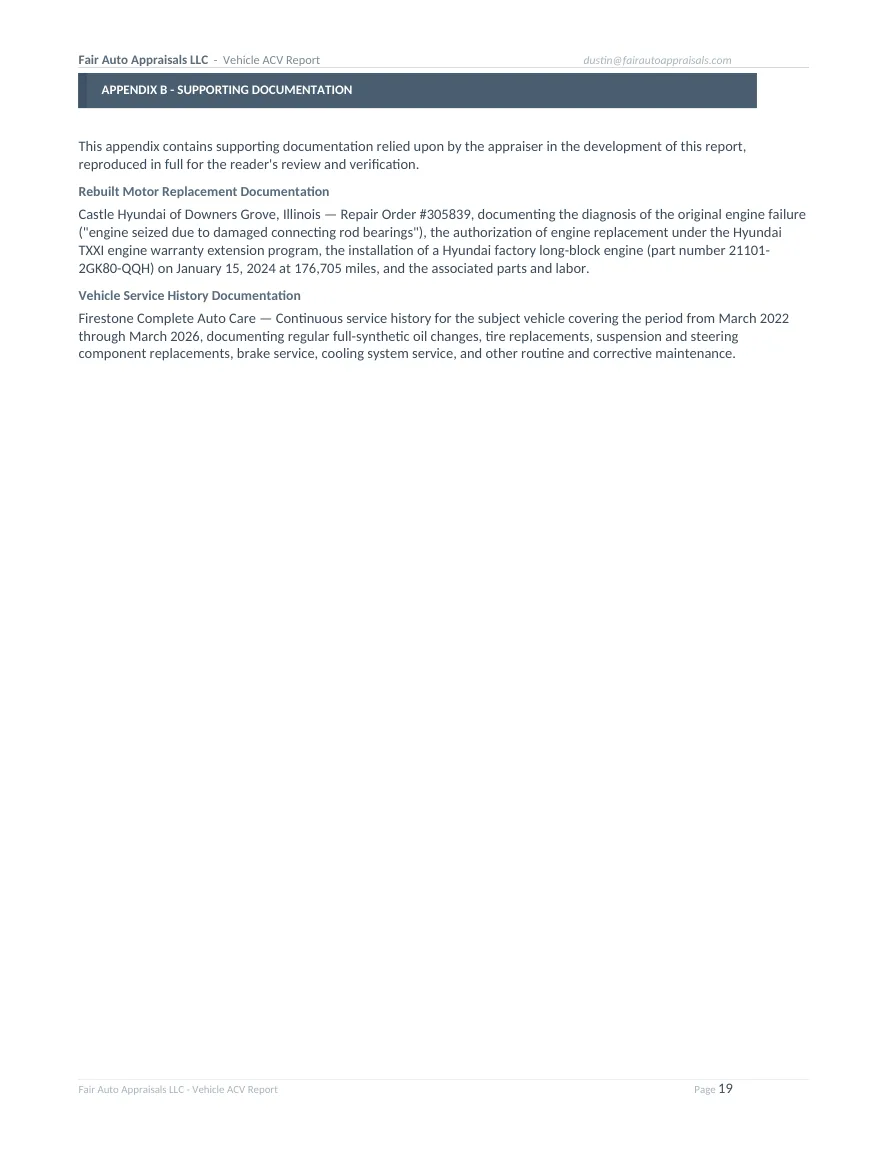
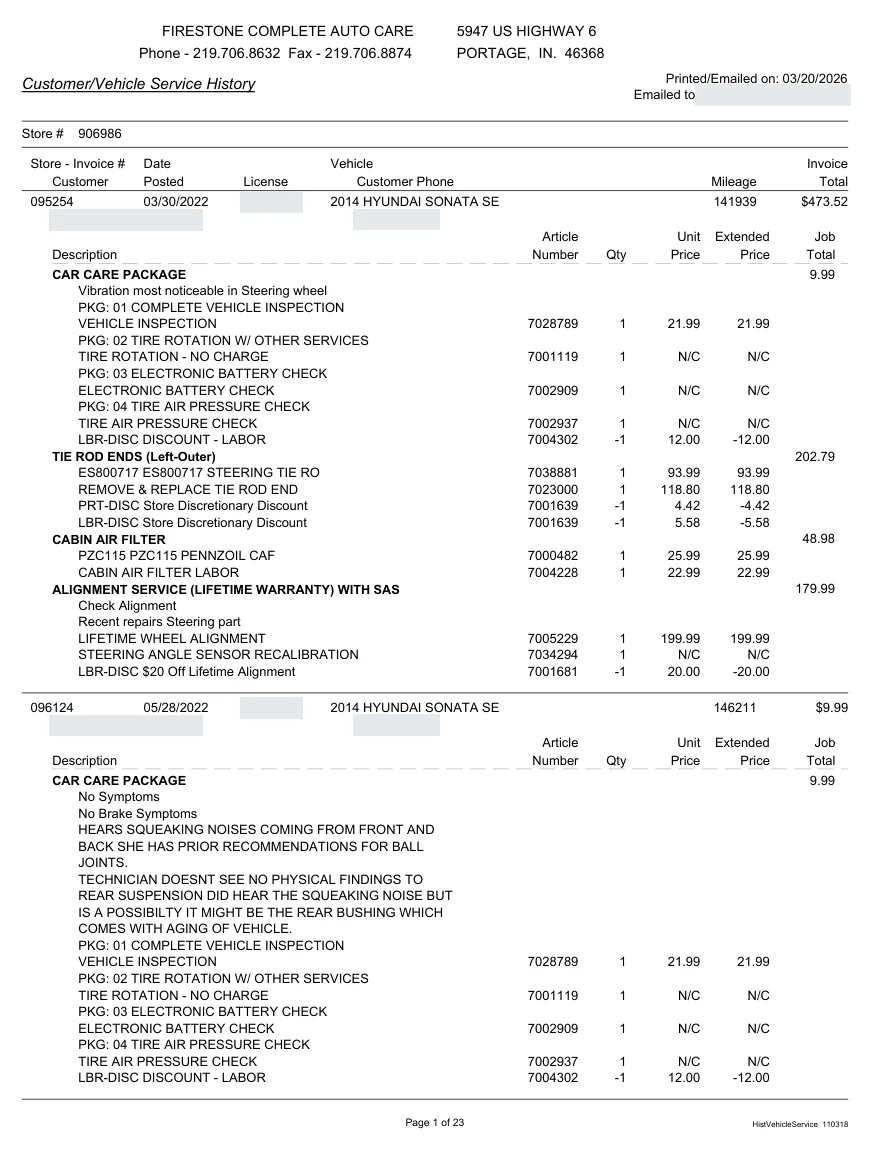
In this dispute, the insurer appointed appraiser submitted a two page template with a $4,800 valuation opinion and no supporting comparable vehicle documentation attached. Our $7,899 opinion was backed by market research, comparable listings, and documented adjustments.
Two page valuation template, with no comparable vehicle documentation attached.
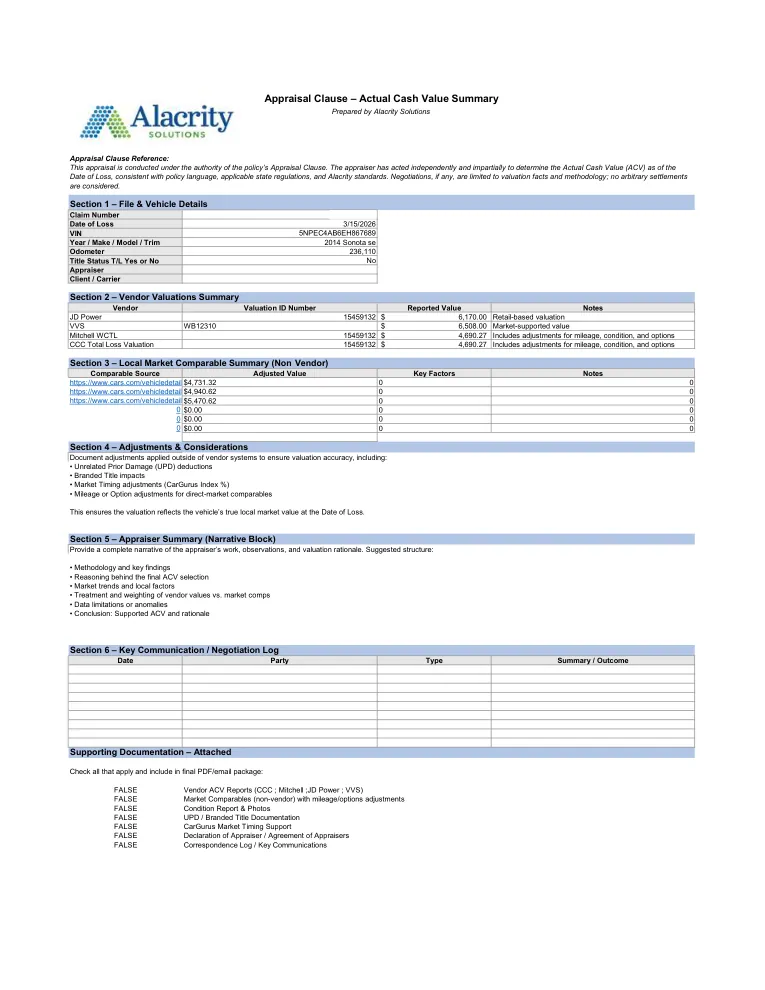
Market listings, vehicle comparisons, and documented adjustments supported our valuation opinion.
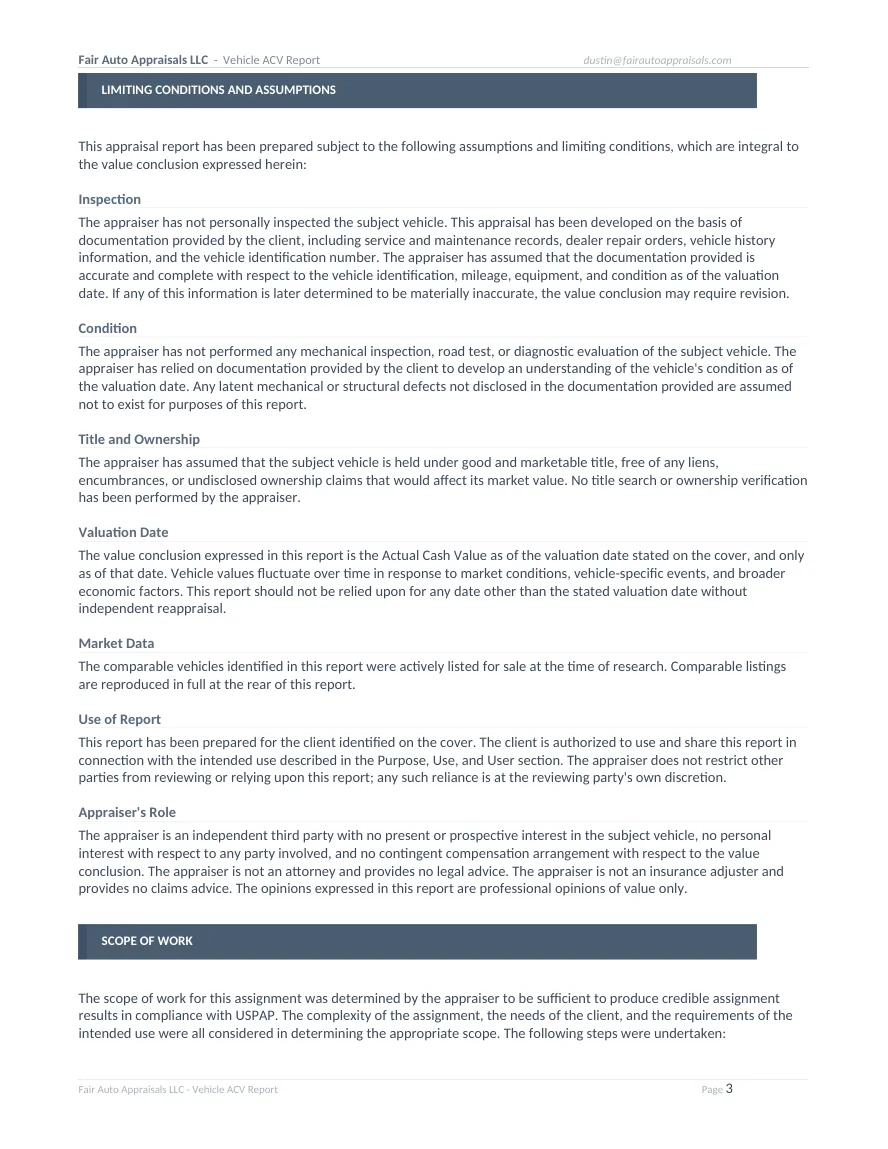


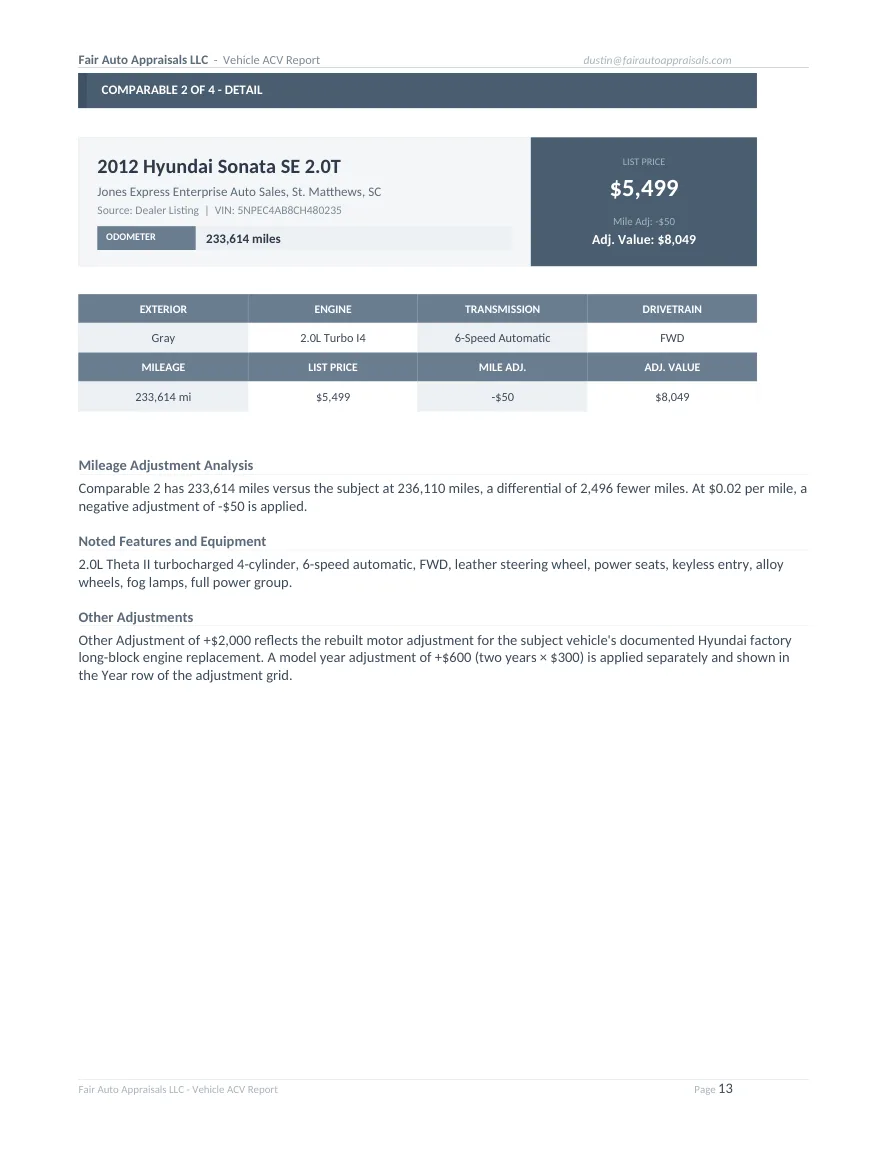

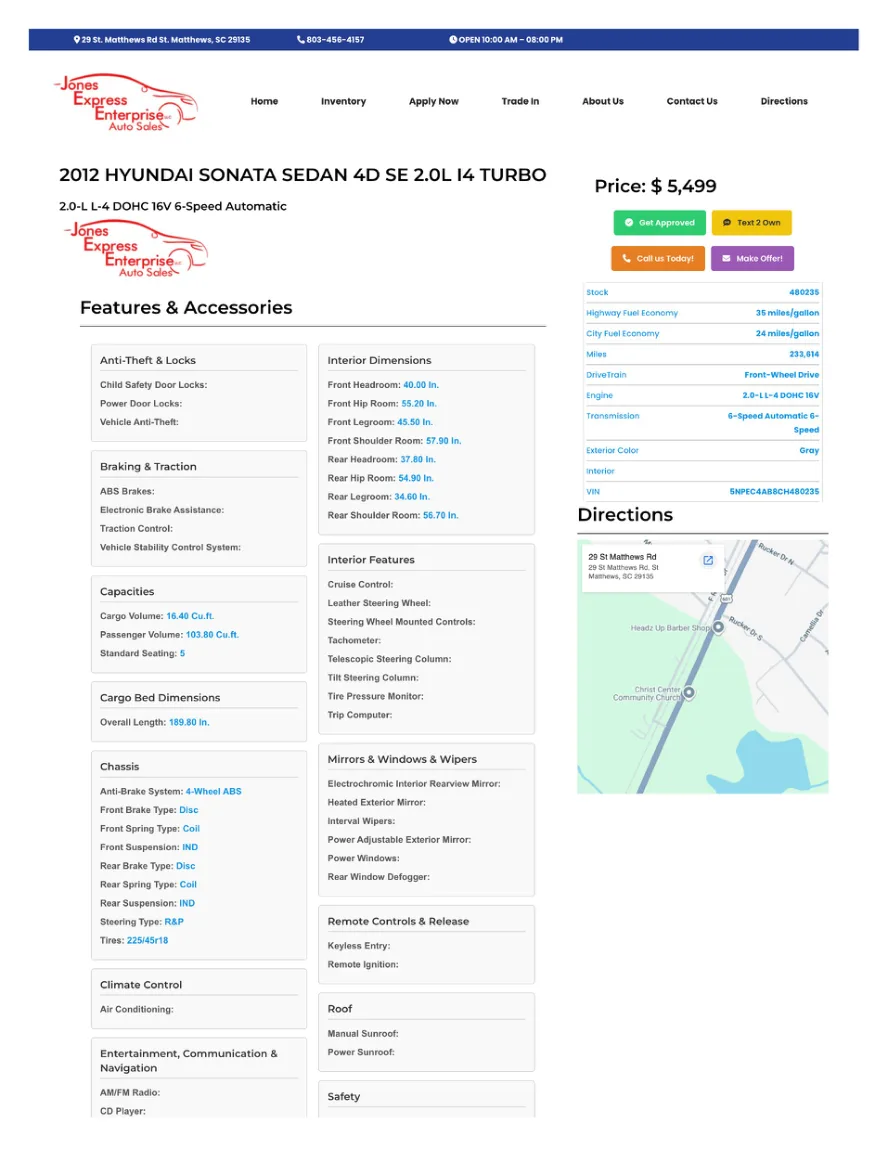
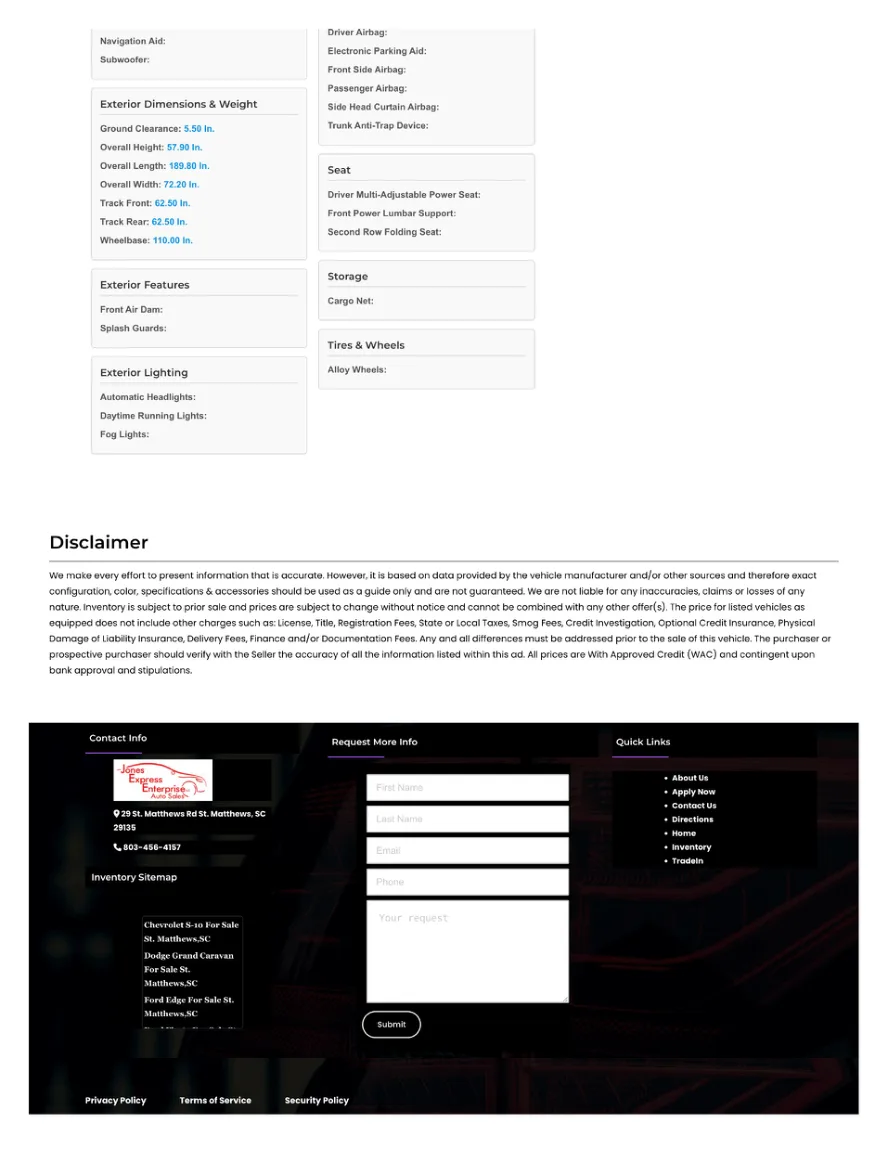






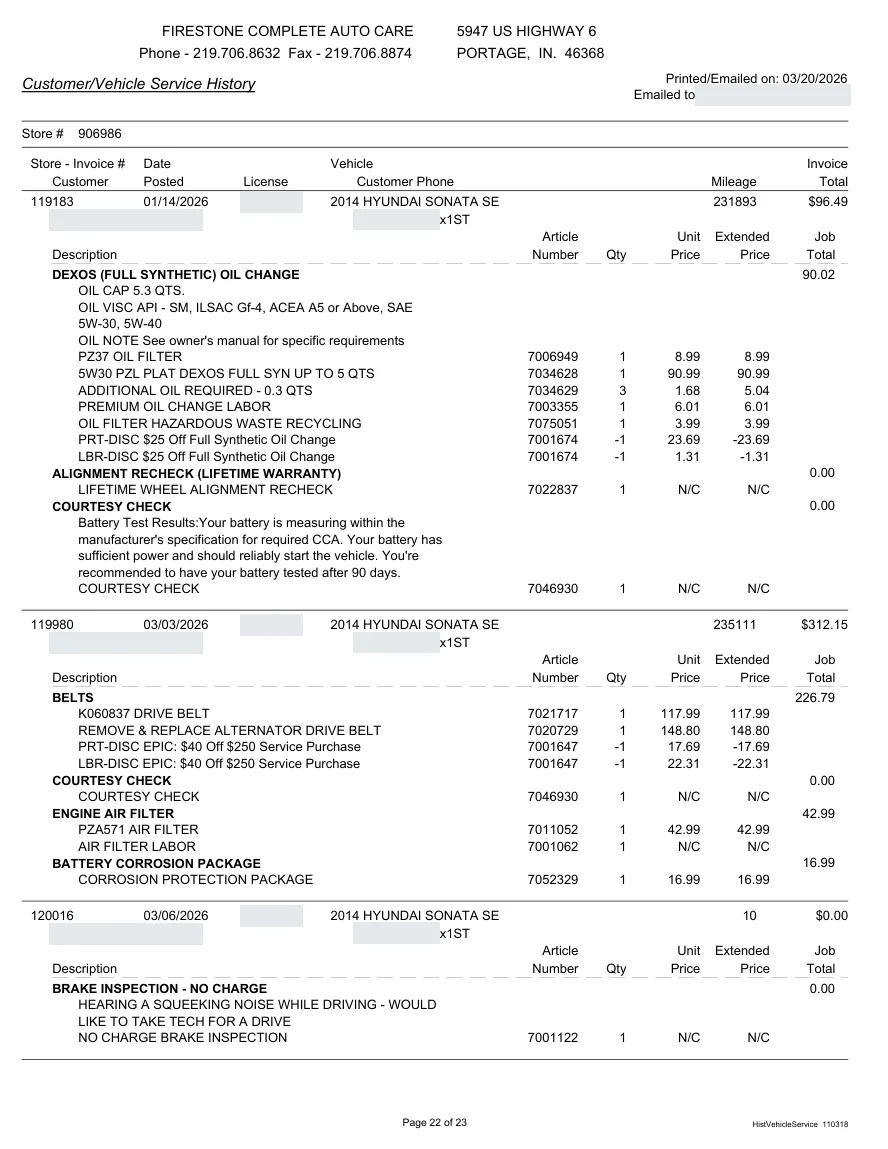
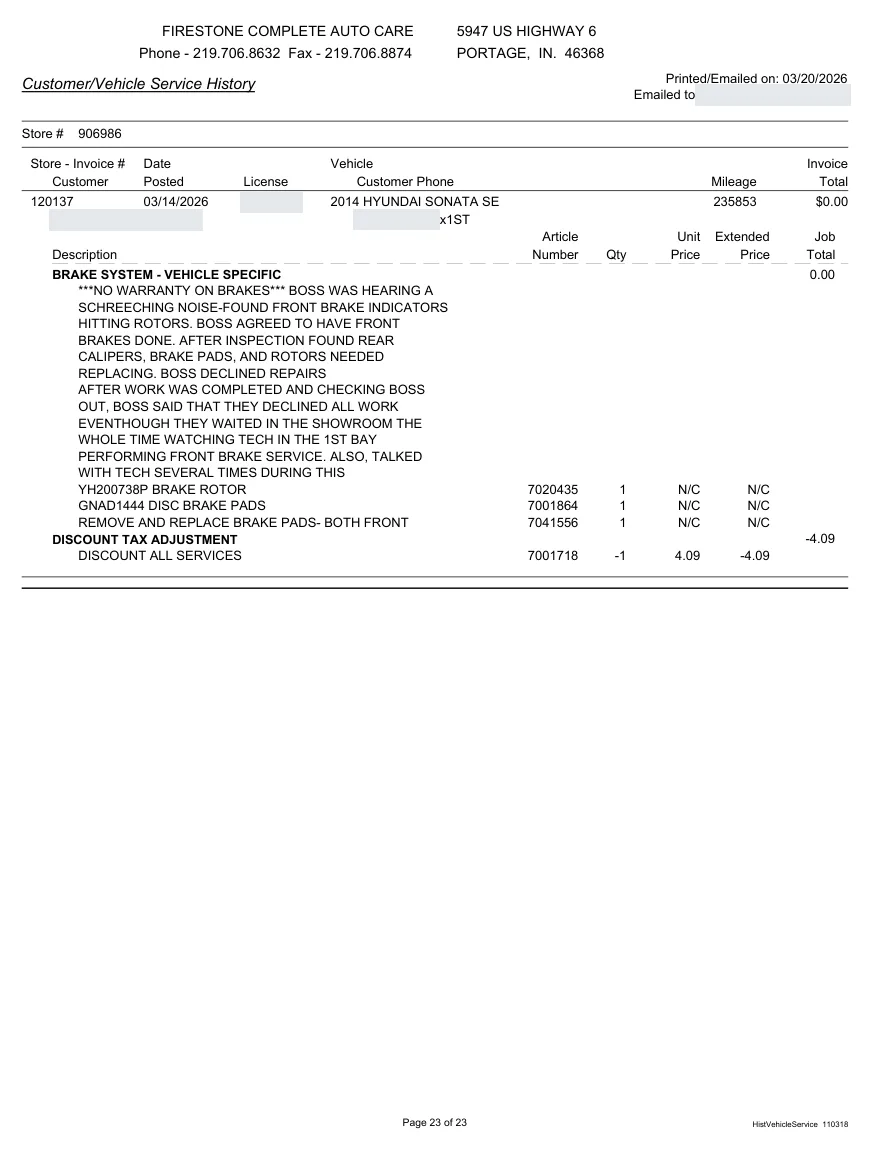
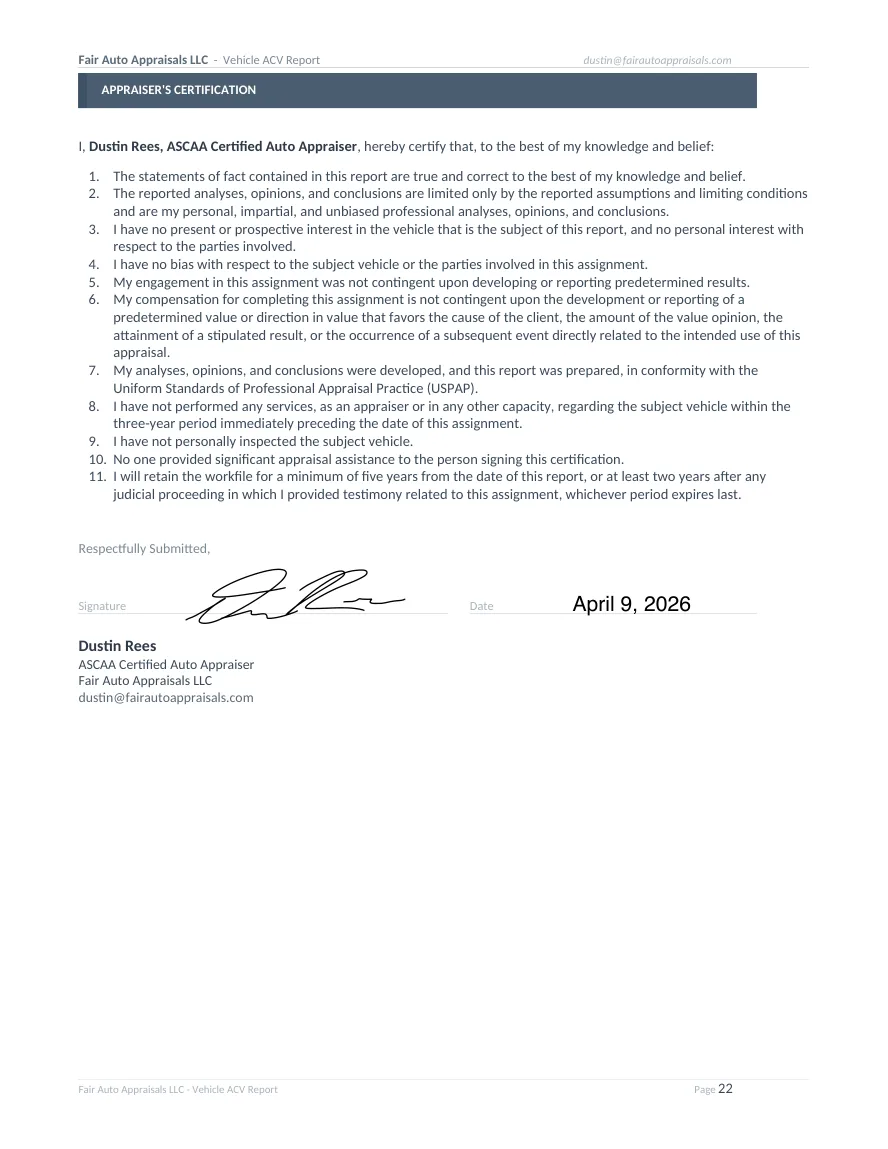
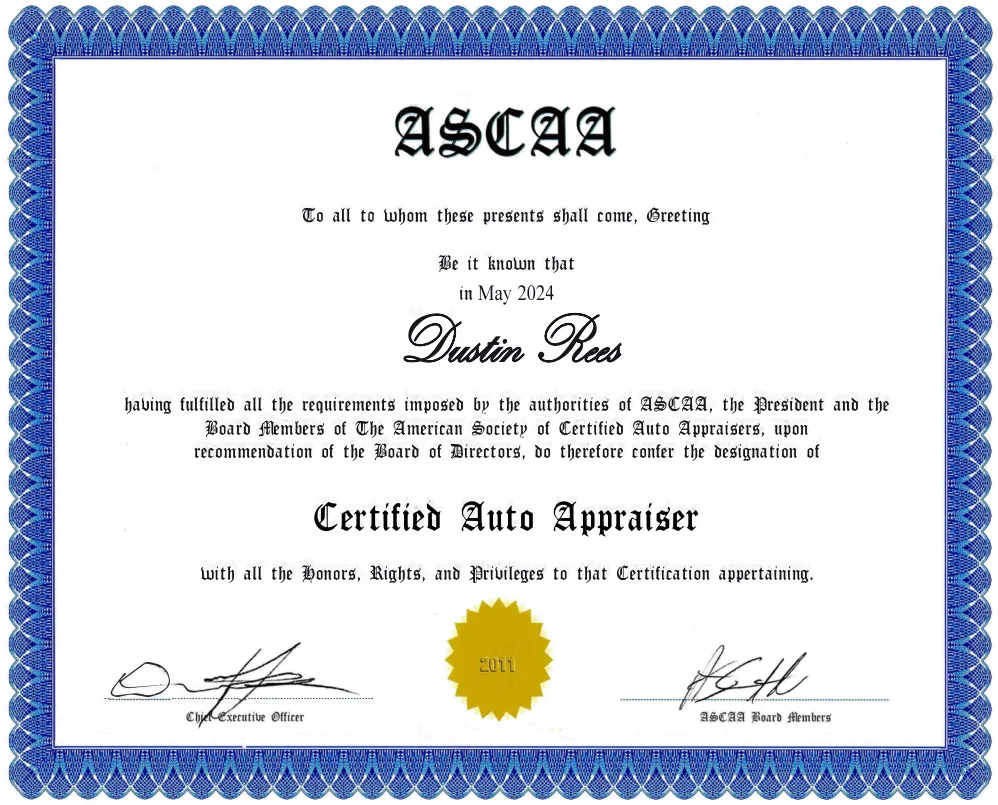
These figures are the appraisers’ submitted opinions, not a final settlement or guaranteed outcome. Personal claim details were redacted in the original samples.
Know what it costs before you appoint us.
We charge a flat fee for the appraisal-clause service, not a percentage of your settlement. We’ll review the valuation first, explain whether we think an appraisal is worthwhile, and send the agreement if you decide to proceed.
Under the appraisal agreement, the fee is payable after the appraisal process is completed. If the completed process increases your vehicle’s ACV by less than $1,000, you owe no appraisal fee.
Potential additional cost: If an umpire is needed, a separate umpire fee may apply, usually shared according to the policy. We’ll discuss that possibility before moving forward.
Before you get started.
What is the appraisal clause?
It’s a provision in many insurance policies for resolving a disagreement over the amount of loss. Each side appoints an appraiser. If the appraisers disagree, an umpire may be selected. The required agreement or signatures determine the amount of loss under the applicable policy.
What if I don’t have the insurance valuation report?
Submit your free second-opinion request anyway. We’ll explain how to request the complete written valuation report from the insurance company, and you can send it to us by email afterward.
What if the other driver’s insurance company is handling my claim?
The appraisal clause generally applies to your own insurance policy, not a third party claim. If you have collision coverage, using your own policy may be an option, subject to its terms. We’ll help identify whether the appraisal process is appropriate.
Is a higher value guaranteed?
No. A final appraisal award may differ from either appraiser’s initial opinion, and an increase is not guaranteed. That’s why we review the insurer’s valuation before recommending the process. Our fee guarantee applies as stated in the signed agreement.
What happens if the two appraisers don’t agree?
The policy typically provides for selecting an umpire. Any two of the required participants may sign an award, depending on the policy. Umpire involvement can increase the time and cost of the process.
How long does the appraisal process take?
Many cases resolve in about one to three weeks. Some take longer depending on the insurer appointed appraiser, access to information, and whether an umpire is needed.
Does the award include taxes and my deductible?
The appraisal determines the vehicle’s actual cash value. Sales tax, title and registration fees, deductibles, and other claim adjustments are generally handled separately by the insurer according to the policy and applicable law.
Do you inspect vehicles in person?
Our service is conducted remotely using valuation reports, photographs, vehicle records, and market research. Whether a remote appraisal is suitable depends on the circumstances, policy, and applicable requirements.
Wondering whether your valuation is worth challenging?
Send us the insurer’s valuation for a free second opinion. No obligation to proceed, and you can submit a request even if you don’t have the report yet.
Get a Free Second OpinionDon’t Get Lowballed is operated by Fair Auto Appraisals LLC.